Commercial coatings
Protective coatings for steel, metal and concrete that has to last.
Structural steel, metal panels, masonry, concrete walls, tanks, equipment and overhead structure take more abuse than a painted office wall. McAllister applies protective coating systems built for that exposure: proper preparation, the right primer and a finish selected for corrosion, wear and weather, on commercial and industrial facilities across Alabama, Florida, Georgia, Mississippi and Tennessee.
- Steel, metal panel, masonry, concrete, tanks and equipment
- Full systems: preparation, primer and finish
- Corrosion, wear and weather protection
- Commercial and industrial contractor since 1969
What we do
A coating system is more than a coat of paint
A protective coating system has three parts that have to work together: the surface preparation, the primer and the finish. Preparation gives the primer a clean, sound profile to bond to. The primer bonds to the substrate and gives the finish something to grip, and on steel it carries the corrosion protection. The finish takes the weather, the chemicals, the washdowns and the knocks. Skip or shortcut any one of the three and the system fails early.
McAllister applies these systems to structural steel, metal wall and roof panels, block and masonry, concrete walls, tanks, silos, equipment and overhead structure in plants, warehouses and commercial buildings. The system is matched to the exposure: an interior steel truss, a metal panel wall facing the weather and a concrete wall in a washdown area each call for different preparation and products. We follow the specification or recommend a system, and submit it for approval before work starts.
Most coating work on an existing facility is maintenance. Coatings wear, chalk and lose their hold where rust or moisture gets underneath. Catching that on a repaint cycle, before the substrate itself is damaged, costs less than replacing steel or repairing spalled concrete. We can assess what is there, tell you what needs full removal and what can be overcoated, and set up a cycle that fits your budget and your shutdown schedule.
- Structural steel, trusses, columns and overhead structure
- Metal wall and roof panels, tanks and silos
- Block, masonry and concrete walls
- Maintenance repaint cycles for existing coatings
Where it applies
Surfaces that need more than paint
Protective coatings earn their keep wherever a substrate is exposed to corrosion, abrasion, moisture, chemicals or weather. These are the typical applications.
- 01
Structural steel and trusses
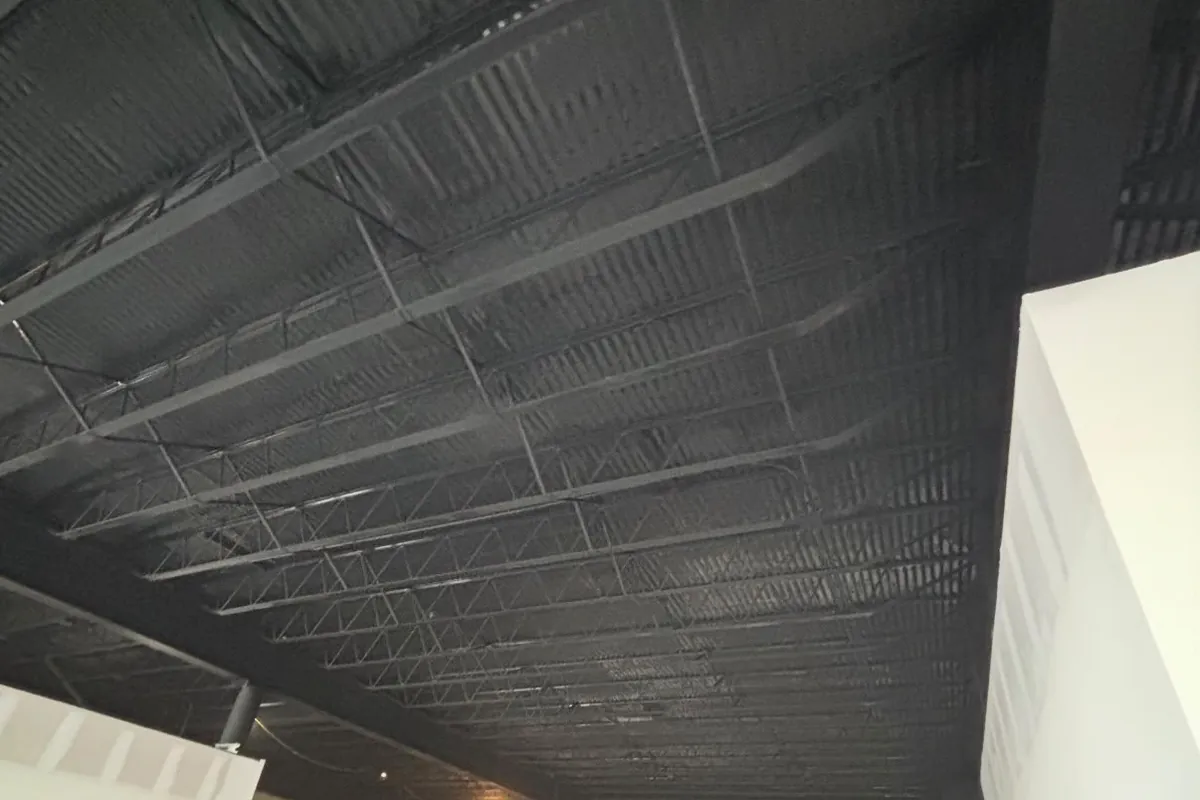
Columns, beams, trusses and bar joists in warehouses and plants, cleaned, primed and finished to control corrosion and brighten the overhead, usually from lifts with the floor below protected.
- 02
Metal wall and roof panels
Corrugated and standing-seam panels that have faded, chalked or started to rust at fasteners and laps, washed, treated and recoated to restore the envelope and extend the life of the panel.
- 03
Tanks, silos and equipment
Storage tanks, silos, hoppers and plant equipment coated to protect against weather and process exposure, with access planned from lifts and the work scheduled around operations.
- 04
Masonry and concrete walls
Block, brick and poured concrete walls, inside and out, sealed and coated to resist moisture, staining and washdown chemicals, including high-build coatings where the wall needs a uniform, cleanable surface.
- 05
Overhead structure and decks
Exposed metal deck, purlins and trusses coated overhead from aerial lifts, with containment and protection below so production equipment, racking and finished floors come through untouched.
- 06
Doors, frames, railings and bollards
The steel items that take daily knocks and weather: hollow metal doors and frames, guard rails, stair rails, bollards and dock equipment, prepped and coated so they stay protected and visible.
Why it matters
What a proper coating system buys you
Steel and concrete are expensive to replace and hard to take out of service. A coating system is a practical way to keep them in service longer.
Corrosion stays on the surface, not in the steel
Rust does not stop on its own. A sound primer and finish keep moisture and oxygen off the steel, which is what holds off section loss and the structural repairs that follow it.
Wear and chemical resistance where it is needed
Washdown areas, loading docks, process rooms and exterior walls each see different punishment. The finish is chosen for that exposure so it holds up instead of needing attention every season.
Longer intervals between repaints
Preparation and a matched system are what stretch the time between maintenance cycles. Paying for prep once costs less over the life of the structure than recoating a failing surface again and again.
A facility that looks maintained
Bright, uniform steel and clean exterior panels tell customers, auditors and your own staff that the building is looked after. Appearance is a by-product of protection, but it still matters.
Work planned around your operation
Coating projects on live facilities are sequenced with your shutdown calendar, shift pattern and production areas, with containment in place so dust and overspray stay out of the process.
Documented, specified, approved
Product data, surface preparation requirements and the coating schedule are submitted and approved before work starts, so the owner, the engineer and the GC all know what is going on the structure.
Our process
How a coating project runs
Four stages, with preparation getting the most attention because it is where coating systems succeed or fail.
Planning
We inspect the substrate and the existing coating, identify the exposure (interior, exterior, washdown, chemical, heat) and confirm the coating system from the specification or recommend one. Access, containment, shutdown windows and sequencing are agreed before mobilizing, and product data goes in for approval.
Preparation
Surfaces are cleaned of oil, grease, chalk and contamination, then prepared to the degree the system requires: pressure washing, hand and power tool cleaning, or abrasive methods where the specification requires them. Rust, loose coating and failed film are removed, and the surrounding equipment and floor are protected before any primer is opened.
Application
Primer and finish coats are applied by spray, roller or brush at the coverage and recoat intervals on the product data sheet, with conditions checked so the coating goes on within the manufacturer's temperature and humidity range. Lift and overhead work is sequenced so protected areas stay sealed off.
Quality control
Each coat is checked for coverage, uniformity and defects before the next goes on. Finished areas are inspected with you or the engineer, touch-ups completed, containment removed and the area turned back over clean and ready for use.
Related projects
Commercial Coatings in the field.
Project types McAllister has delivered that include this scope. Select one to see what was involved.
Industrial plant painting and protective coatings
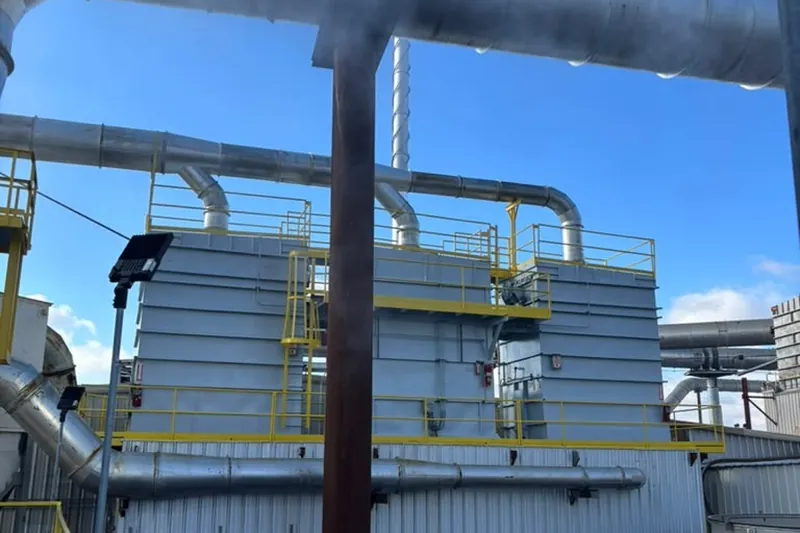
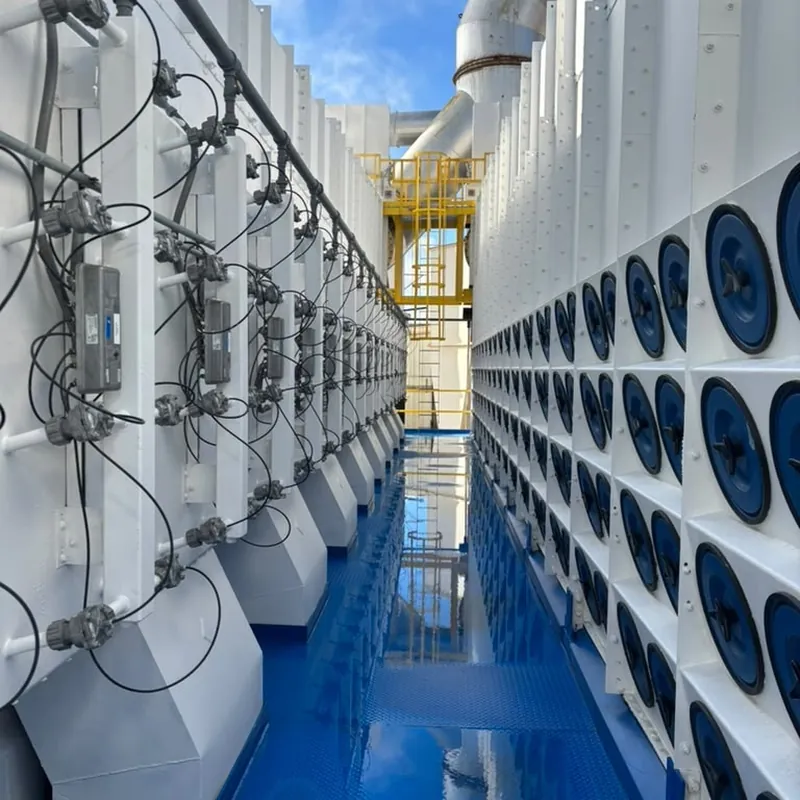
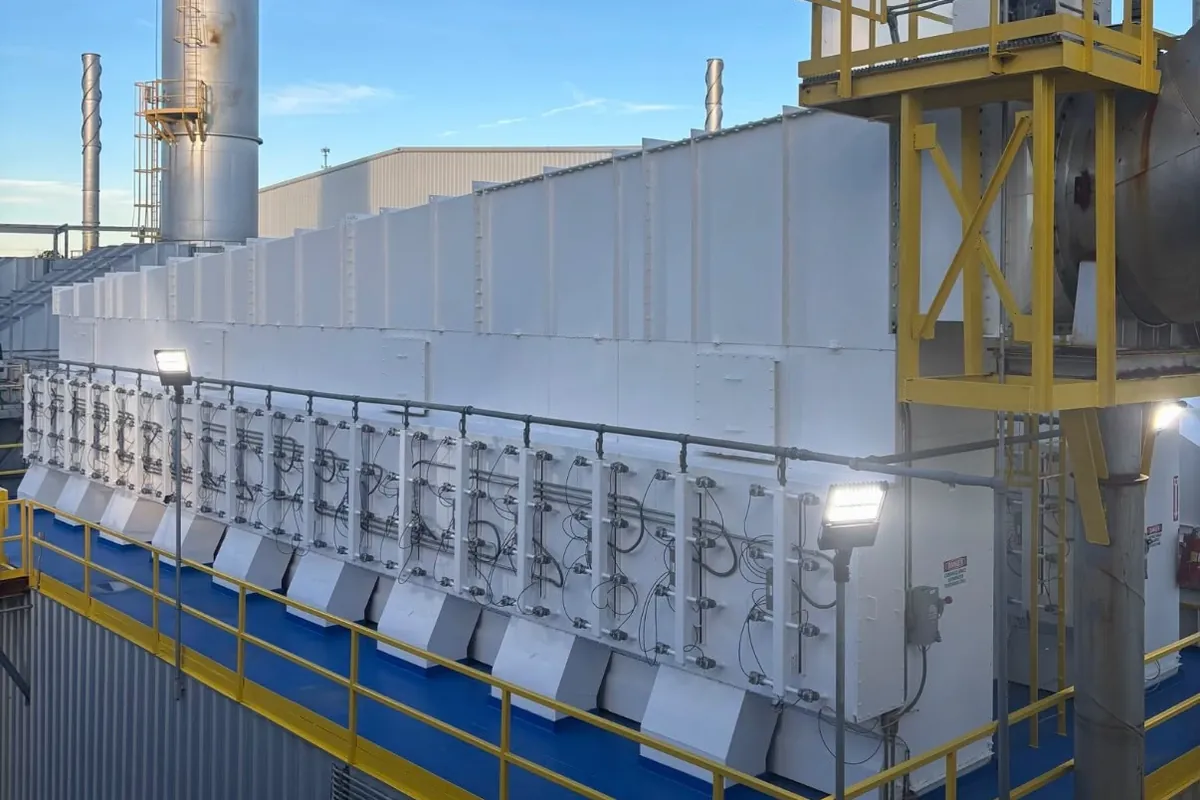
A working industrial plant coated inside and out: dust collection units, stacks and ductwork, blue walkway coatings and yellow safety handrails, a coated warehouse floor and a new office build-out, all sequenced around production.
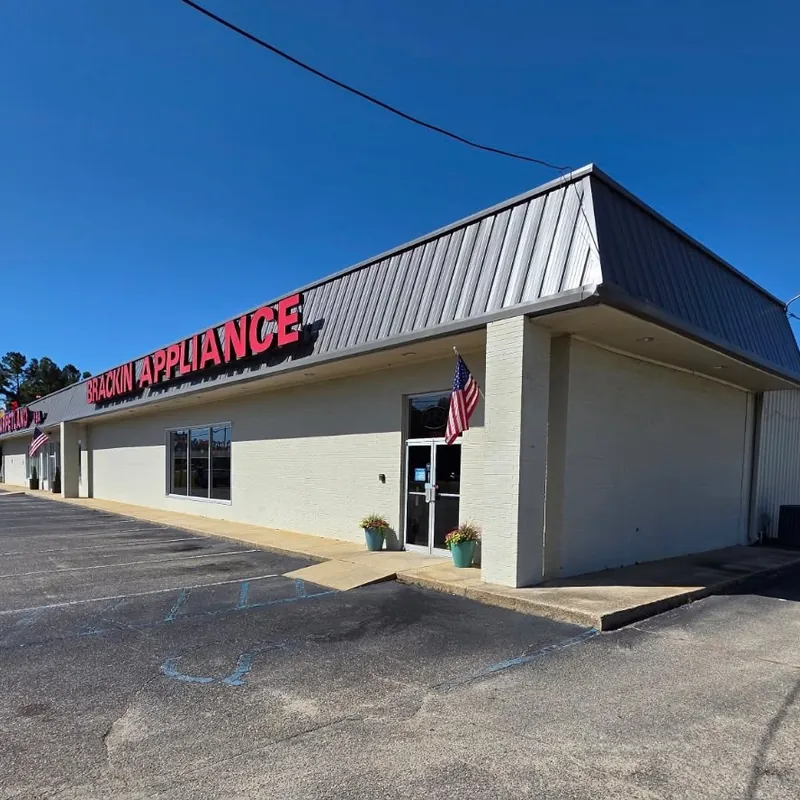
Carpet Land and Brackin Appliance exterior metal coating
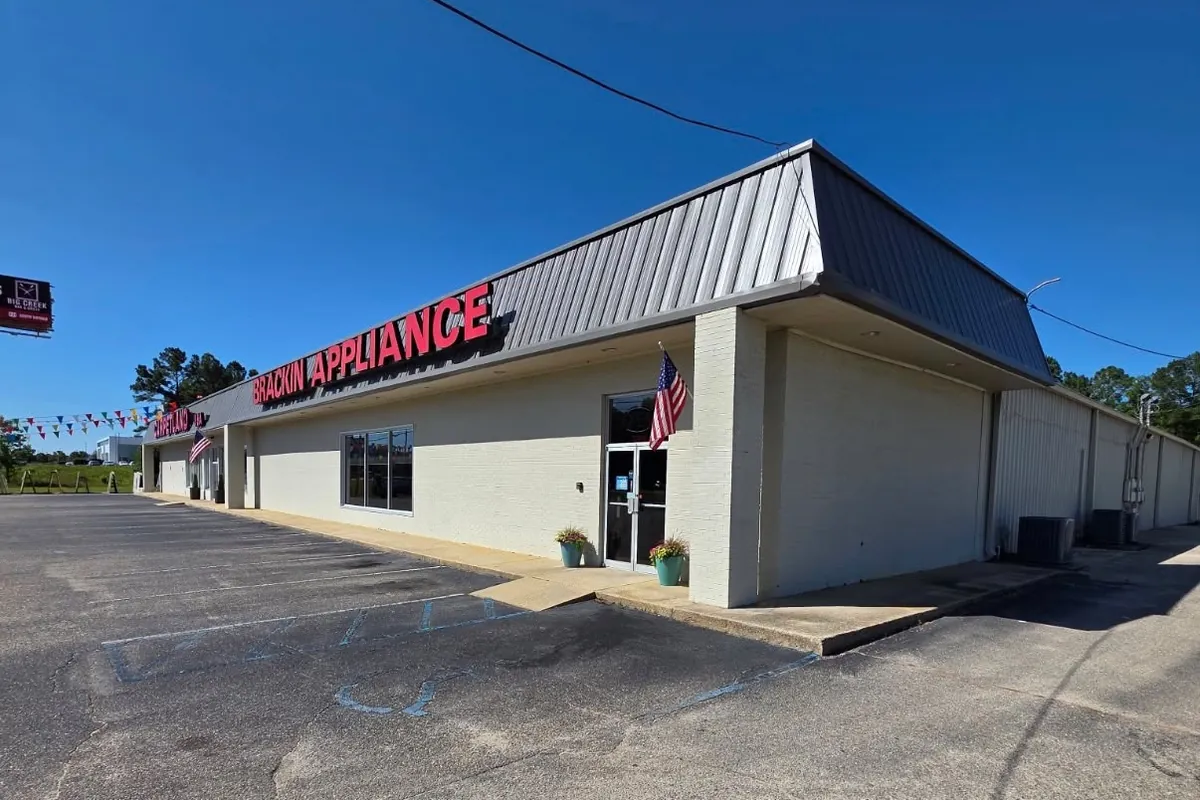
A protective coating applied to the exterior metal roof and fascia of the Carpet Land and Brackin Appliance building.
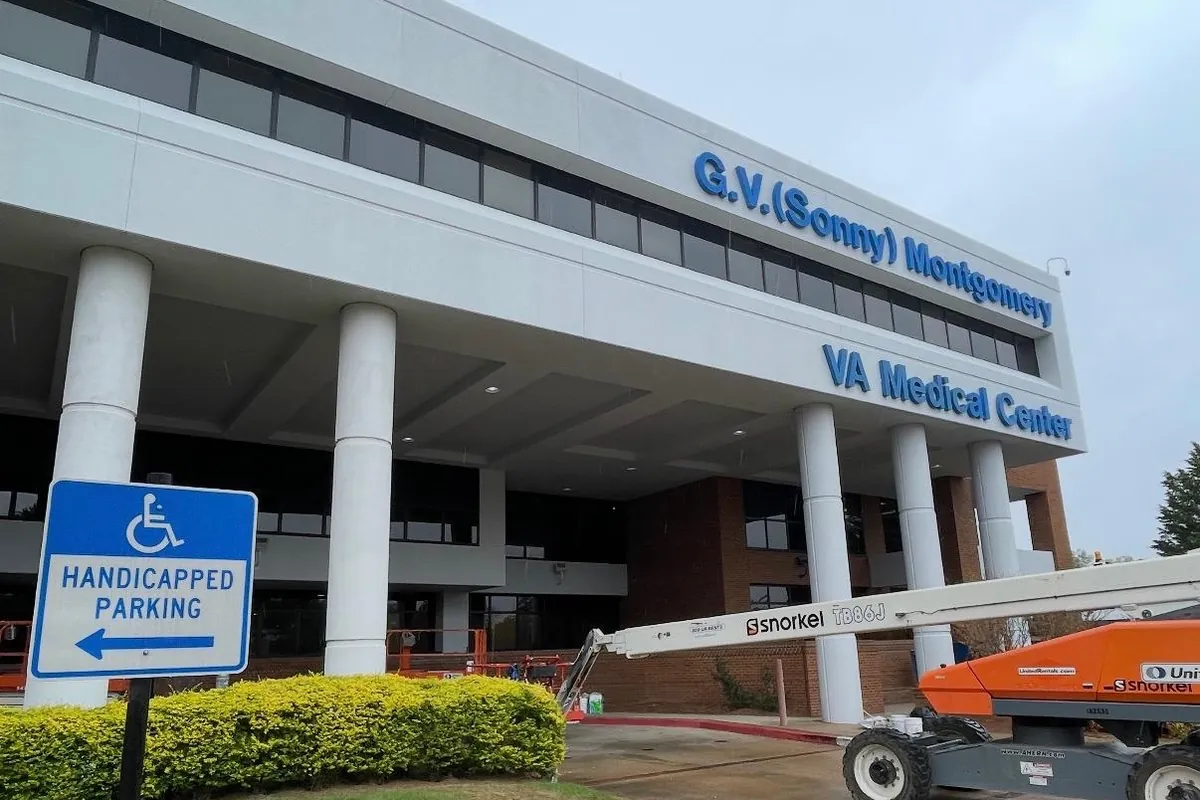
Sonny Montgomery VA Medical Center exterior elastomeric coatings
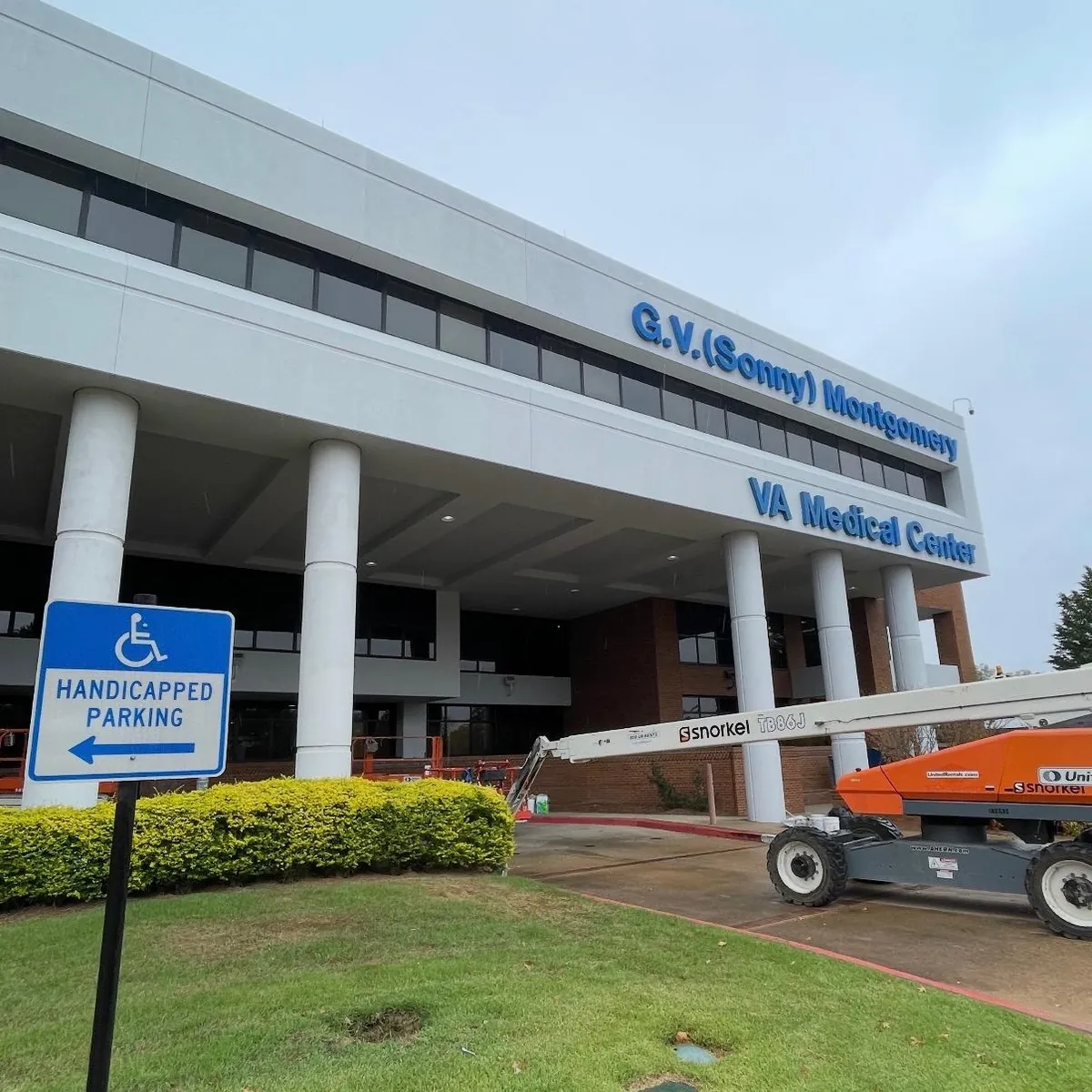
Exterior elastomeric coatings at the G.V. (Sonny) Montgomery VA Medical Center, completed for Advantage Contracting, LLC, with lifts staged around the hospital's entrances.
Questions
Commercial Coatings questions.
Still have a question? The office is open Monday to Friday, 7 AM to 5 PM.
What is the difference between commercial coatings and commercial painting?
Painting is mostly about appearance and basic protection on walls, ceilings and trim. A protective coating system is specified for the exposure first: corrosion on steel, moisture and chemicals on concrete, weather on metal panels. It usually means more thorough surface preparation, a primer matched to the substrate and a finish chosen for durability rather than color alone. The two overlap on many projects and we handle both.
Which coating products do you use?
The product depends on the substrate, the exposure and what the specification calls for. We work from the engineer's or architect's coating schedule where there is one, and recommend a system where there is not, then submit product data for approval before ordering. Ask us about a specific surface and we will tell you what we would put on it and why.
Can existing coatings be recoated, or does everything have to come off?
It depends on what is there and how well it is holding. Sound, well-adhered coating can often be cleaned, scuffed and overcoated with a compatible system. Coating that is peeling, blistering or rusting underneath has to be removed back to a sound surface, or the new coating fails along with it. We assess adhesion and condition during planning and tell you which areas need full removal before pricing the work.
How often should structural steel or metal panels be recoated?
There is no single answer. Interior steel in a dry warehouse can go a long time between repaints, while exterior panels and anything in a washdown or chemical environment need attention sooner. The practical approach is a periodic inspection: look for chalking, fading, rust at fasteners and edges, and any lifting film, and schedule the repaint before the substrate is affected. We can set up that cycle with you.
Can you coat tanks, silos and tall structures?
Yes. Tank and silo exteriors and other tall structures are coated from aerial lifts with the ground and equipment below protected, and the work is scheduled around what the structure does. Tell us what the tank or silo holds, whether it is in service during the work and what the existing coating looks like, and we will plan the access and the system around that.
What makes a coating fail early?
Almost always preparation. Coating applied over oil, chalk, mill scale, loose rust or a failing old film has nothing sound to hold on to and lets go within a few seasons. The other common causes are applying in the wrong conditions, too thin a film and mixing incompatible products. Each one is avoidable by following the system's data sheet and checking conditions before the coating goes on.
Related services
Often scoped alongside commercial coatings.
- Featured service
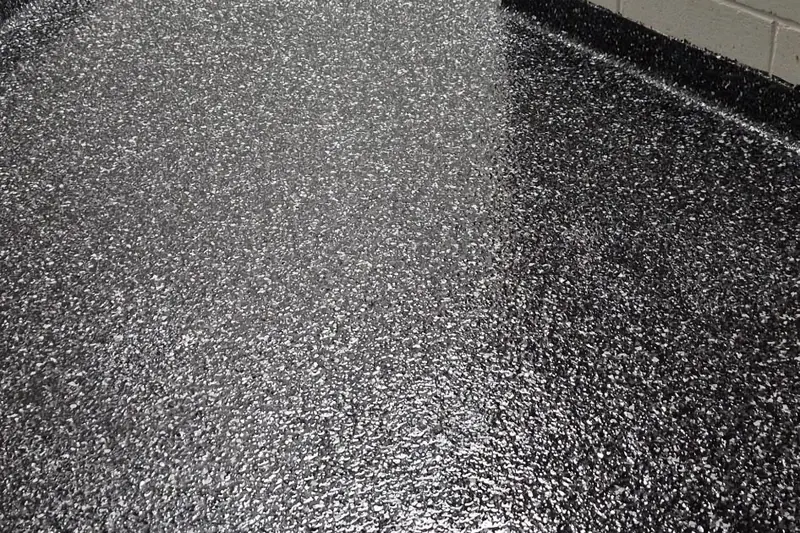
Floor Coatings
Durable, cleanable floor coatings for warehouses, plants, schools and commercial spaces, with a limited lifetime warranty behind every floor.
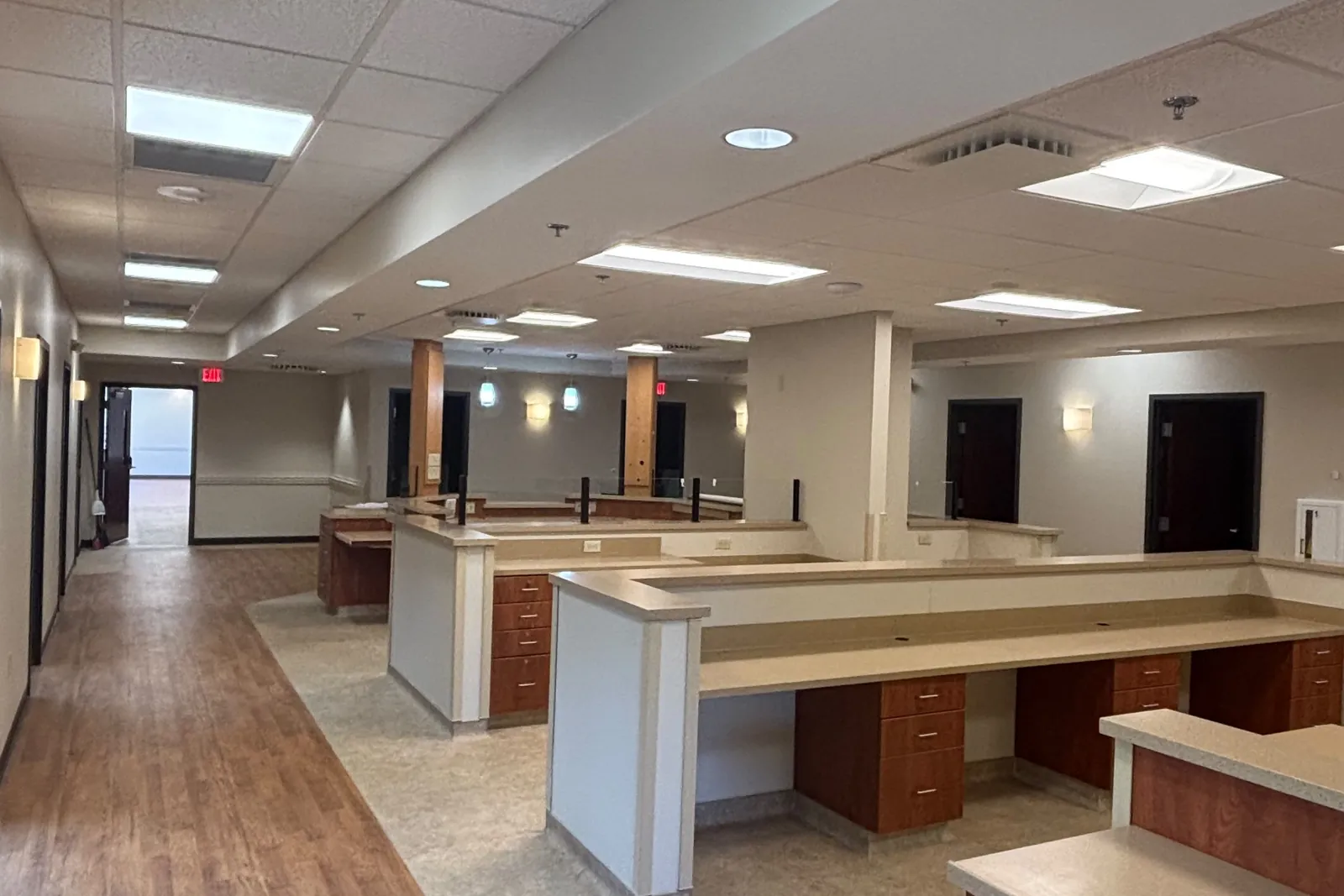
Commercial & Industrial Painting
Interior and exterior painting for warehouses, plants, schools, retail and offices, scheduled around your operation and delivered to the specification, as a subcontractor or direct.
Exterior Surfaces & Moisture Protection
Exterior painting, surface preparation, joint sealing and protective coatings for commercial and industrial buildings, planned to keep water out of the envelope and the building looking cared for.
Have steel, panels or concrete that needs protecting?
Tell us what the surface is, where it sits and what it is exposed to. We will look at it, recommend a system or price the one specified, and come back with a quote.