Specialty finishes
Specialty finishes for the walls that have to look good and hold up.
Some walls in a commercial building do more than sit under a coat of flat paint. Lobbies, feature walls, retail floors and busy corridors call for textured, accent and high-durability finishes that are chosen for how they look and how they clean. McAllister applies these finishes for owners, GCs and facility managers across Alabama, Florida, Georgia, Mississippi and Tennessee.
- Textured and accent wall treatments
- High-durability finishes for busy corridors
- Feature walls for lobbies and retail
- Finish systems selected for cleanability
What we do
Finishes picked for the job the wall has to do.
A specialty finish is any wall treatment that goes beyond standard flat or eggshell paint. That covers textured finishes that hide imperfect substrates and add depth, accent colors and treatments that set off a reception desk or a product wall, and high-durability finish systems that stand up to carts, backpacks, scuffs and repeated washing in places where ordinary paint would be marked up quickly.
McAllister does not push one product or one look. We start with what the space is for, who moves through it and how it will be cleaned, then recommend a finish type that fits. A school corridor needs something scrubbable. A lobby feature wall needs something that reads well under the lighting. A retail sales floor needs both, on a schedule that works around trading hours.
Because we also hang and finish drywall, the substrate under a specialty finish is something we can control rather than inherit. Textured and high-sheen finishes show every flaw in the wall beneath them, so the drywall finish, the primer and the topcoat are planned together as one system instead of three separate decisions.
- Textured wall finishes
- Accent colors and feature wall treatments
- Scrubbable, high-durability corridor finishes
- Samples approved before the full wall is started
- Substrate prepared by the same contractor
Where it applies
The walls in a commercial building that earn a specialty finish.
Not every wall needs more than paint. These are the places where a specialty finish pays for itself in appearance, durability or both.
- 01
Lobbies and reception areas
The first wall a visitor sees. Textured or accent treatments behind the reception desk give the space a finished look without the cost of stone, tile or millwork.
- 02
High-traffic corridors
School hallways, service passages and loading corridors get scuffed, bumped and washed constantly. A high-durability finish takes that abuse and still wipes clean.
- 03
Retail feature walls
A product wall or brand wall on the sales floor needs to carry color accurately and hold up to fixtures being moved. We apply the finish to the tenant's design package.
- 04
Conference rooms and executive areas
Spaces where clients are received often get an accent treatment on one wall. It is a modest scope that changes how the whole room is read.
- 05
Restrooms, break rooms and wet areas
Walls that see moisture, splashing and frequent cleaning need a finish system chosen for washability and resistance to the cleaners the facility actually uses.
- 06
Covering imperfect substrates
Older block, patched drywall and walls with a history of repairs can be unified under a textured finish that hides what a smooth coat of paint would reveal.
Why it matters
What a specialty finish gives a commercial owner that plain paint does not.
The right finish on the right wall costs a little more up front and saves on touch-ups, repaints and the look of a tired building.
Longer intervals between repaints
A durable finish in a corridor or stairwell can go longer between repaints than standard paint, which matters when every repaint means closing part of a building.
Cleanability built in
Finishes chosen for washability let facility staff scrub scuffs and marks off the wall instead of calling for a touch-up every time a cart hits it.
A finished look at a wall-finish price
Textured and accent treatments give a lobby or feature wall presence that would otherwise take stone, panels or millwork, for considerably less money and disruption.
Hides what you cannot afford to fix
A textured finish over an old or patched wall unifies the surface without the cost of skimming or replacing it, which keeps a remodel budget on the things that matter.
One contractor from substrate to finish
The drywall, primer and specialty topcoat come from McAllister as one system, so there is no argument later about whether the wall or the finish is the reason something failed.
Our process
Four stages, from a sample board to the finished wall.
Specialty finishes reward planning more than any other painting scope. Here is how McAllister's four stages apply.
Planning
We look at the space with you or the designer, talk through traffic, lighting, cleaning practice and the look you are after, and recommend a finish type. Where the finish is visual, we prepare a sample so the color and texture are approved before the full wall is started.
Preparation
Specialty finishes magnify what is under them, so the substrate gets more attention than it would for standard paint. We repair and skim as needed, sand, and prime with a product suited to the finish going on top, and we protect adjacent floors, fixtures and glazing.
Application
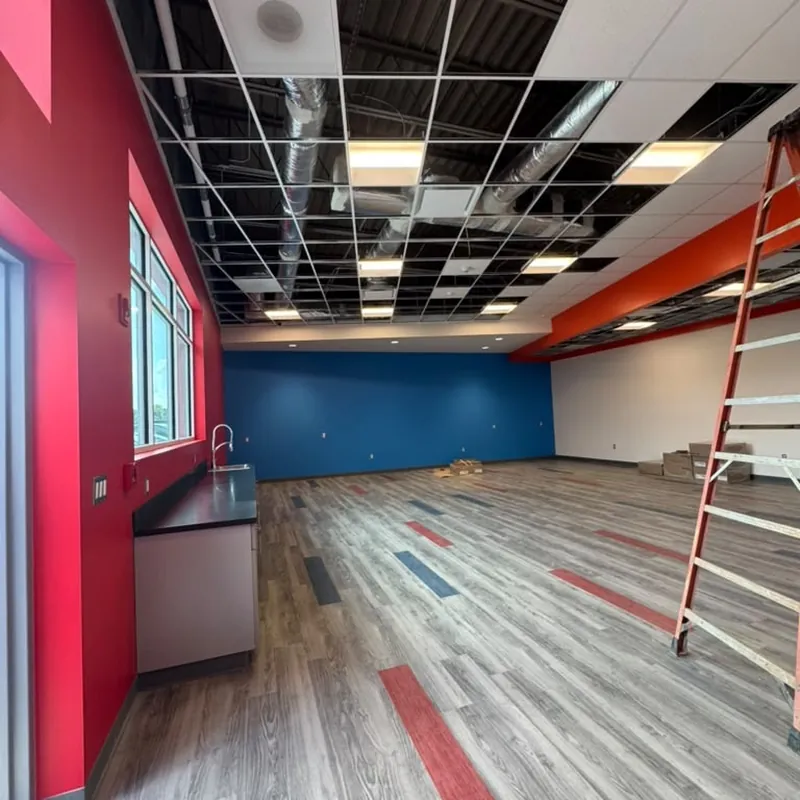
The finish is applied in the sequence and number of coats the system calls for, with the same technique from the start of a wall to its end so the texture and sheen stay consistent. Accent and feature walls are cut in cleanly against the surrounding finish.
Quality control
We check the wall in the lighting it will live under, confirm the finish matches the approved sample, and walk it with you before the protection comes off. Anything that does not match gets corrected before we leave.
Related projects
Specialty Finishes in the field.
Project types McAllister has delivered that include this scope. Select one to see what was involved.
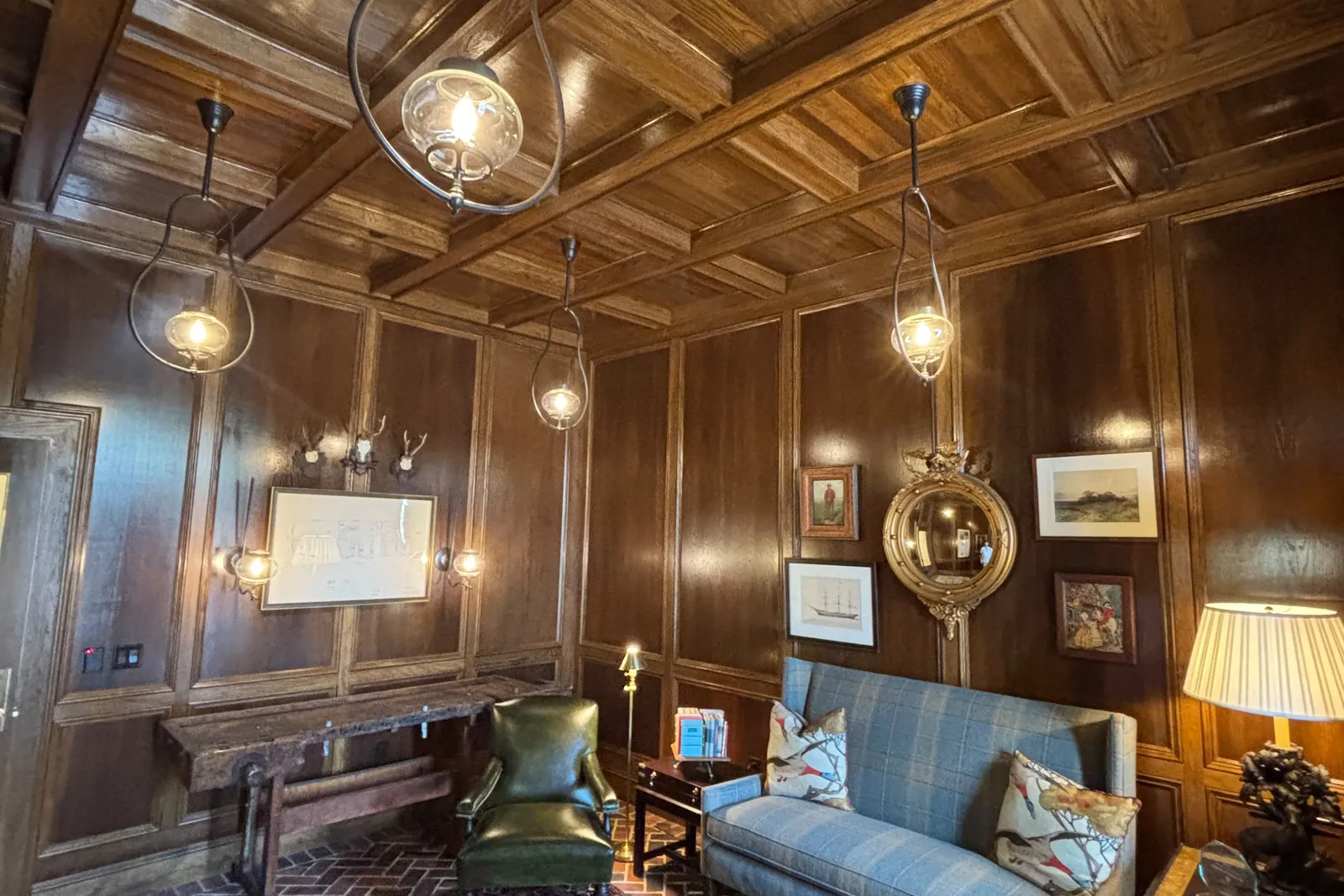
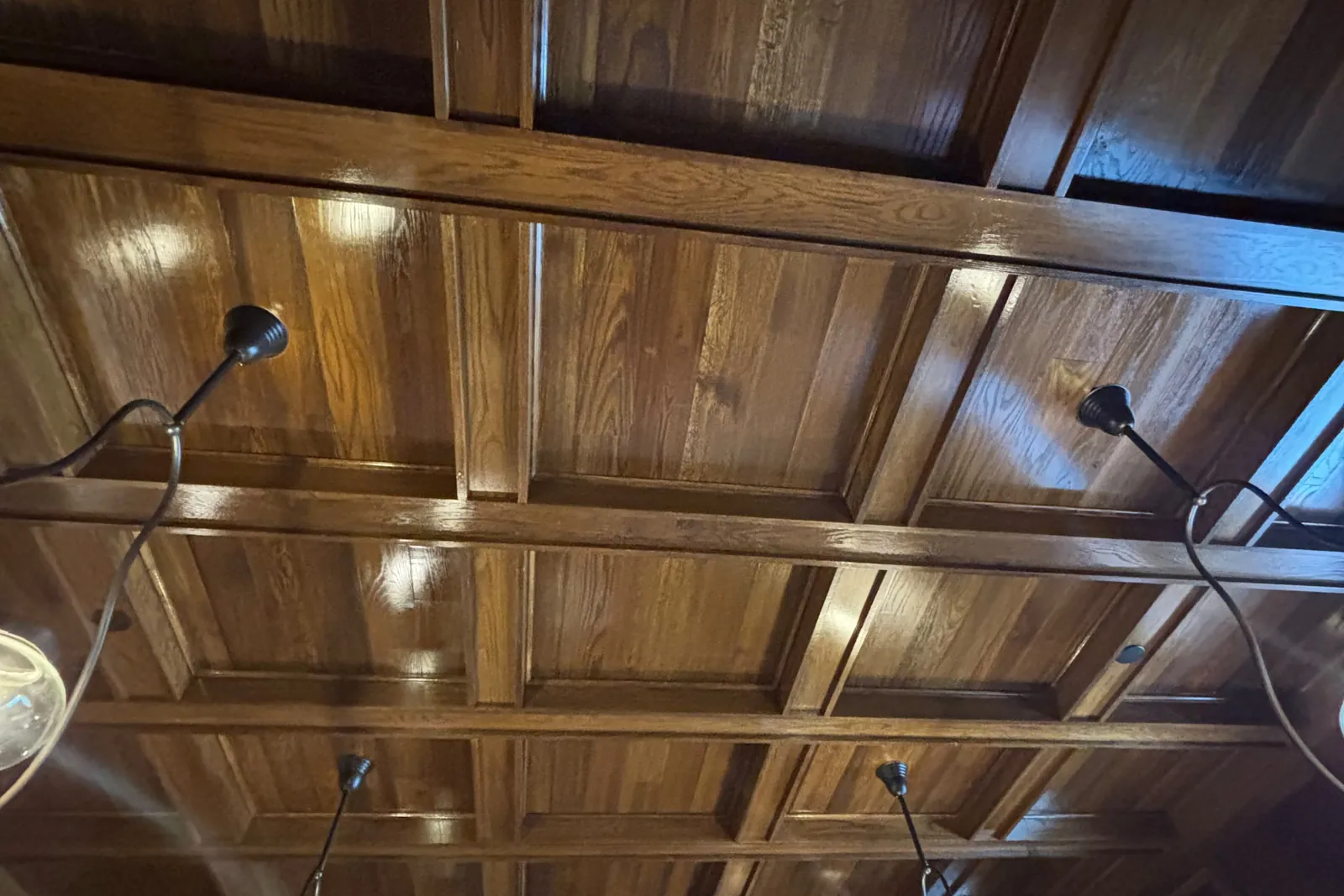
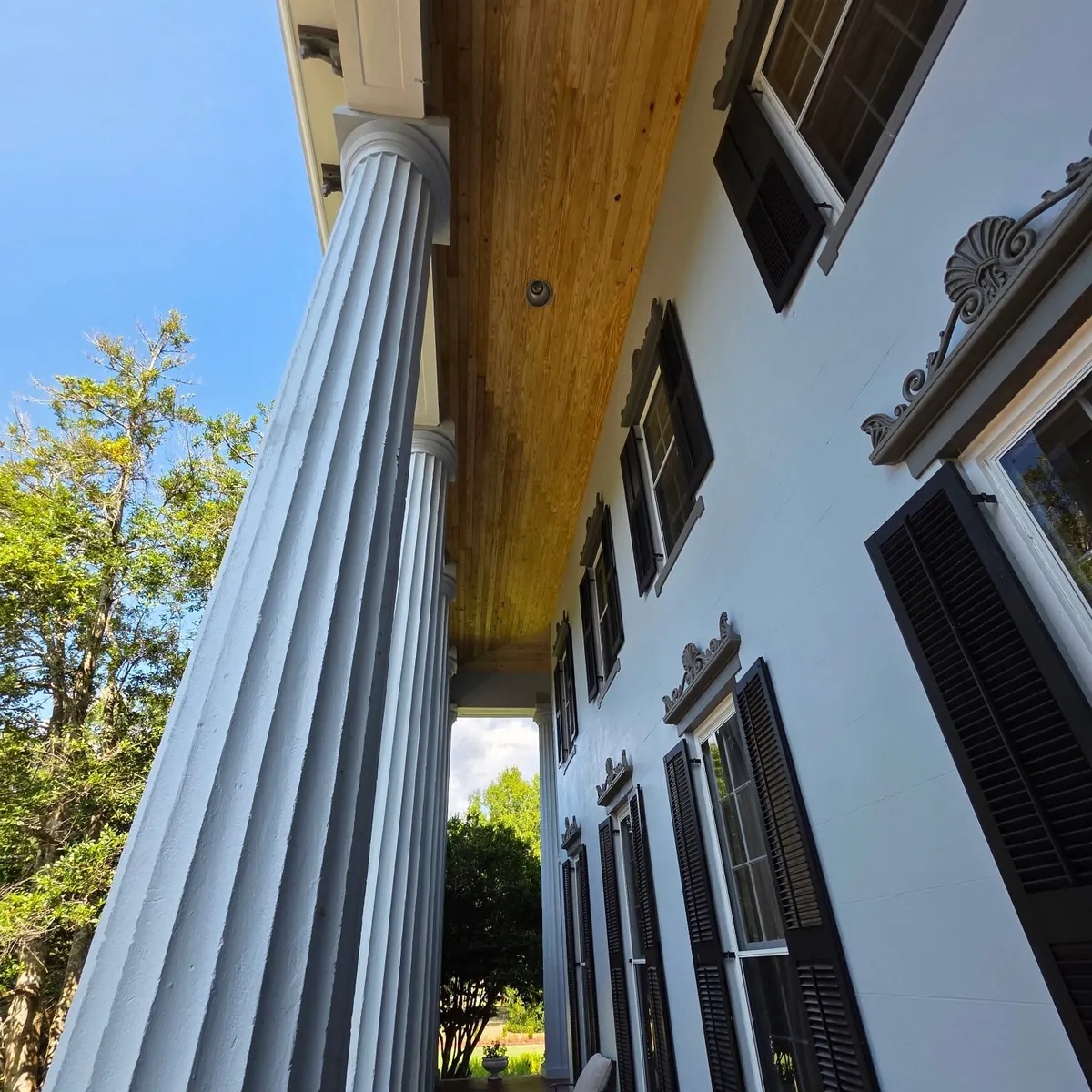
Luxury office space, custom staining, Dothan, AL
Custom staining of wood paneling, a coffered ceiling and built-in bookshelves in a luxury office in Dothan.
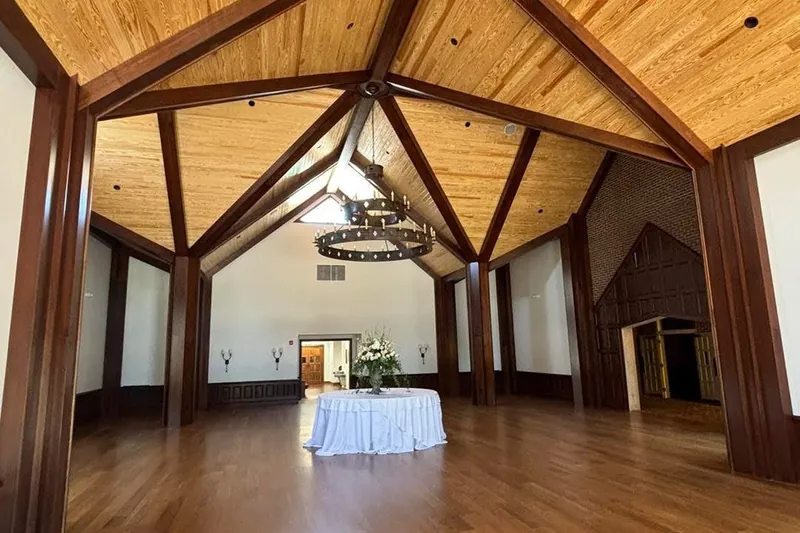
First Presbyterian Church, Dothan, high-end staining
High-end staining of the wood ceiling, beams and floor at First Presbyterian Church in Dothan, Alabama.
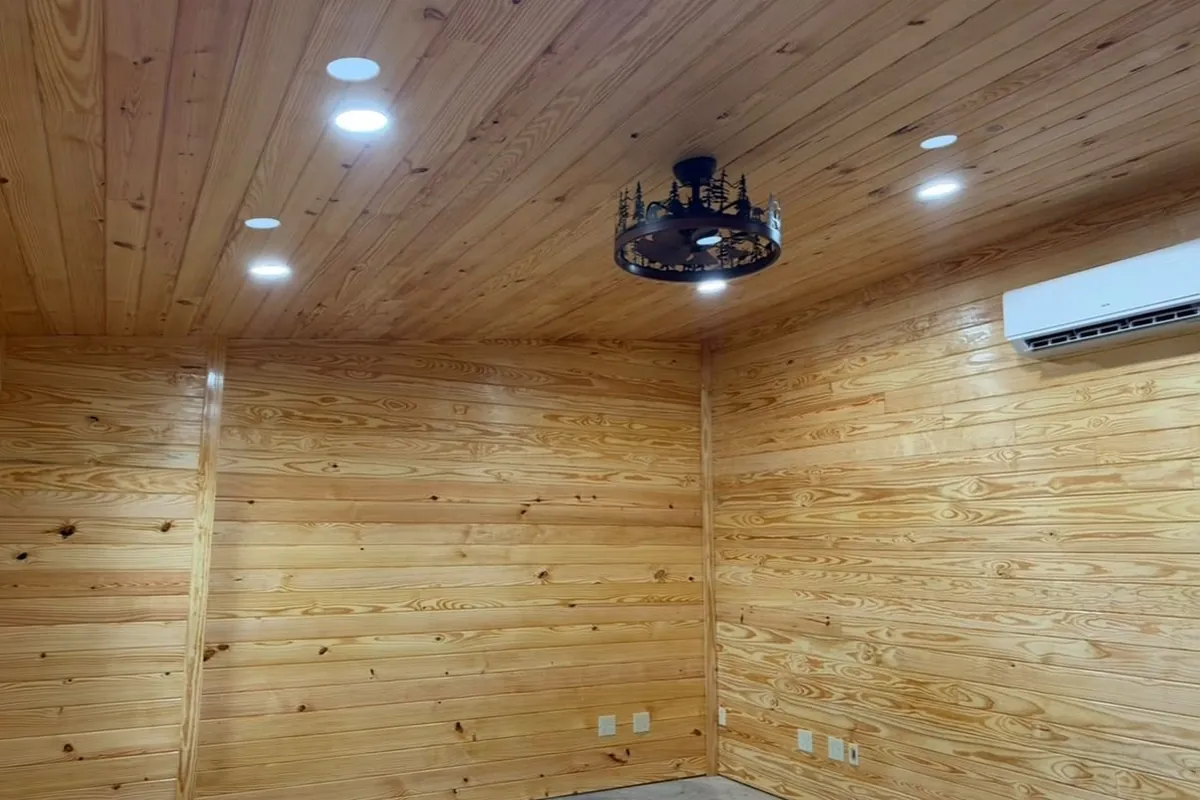
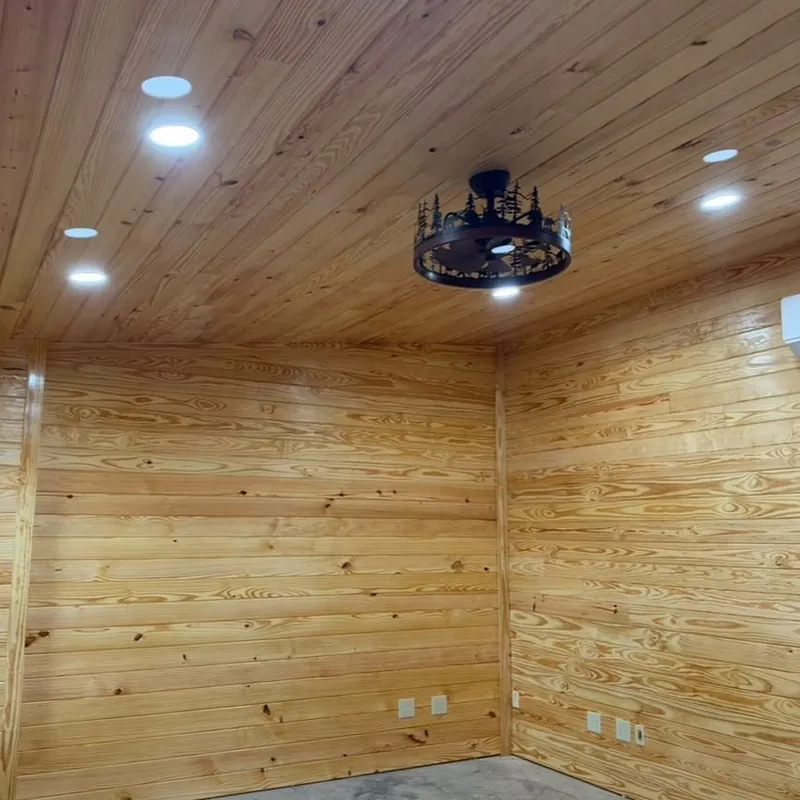
Tongue and groove installed and sealed
Tongue and groove pine walls and ceiling installed and sealed for a high-profile client.
Questions
Specialty Finishes questions.
Still have a question? The office is open Monday to Friday, 7 AM to 5 PM.
What counts as a specialty finish?
Anything beyond a standard coat of flat, eggshell or semi-gloss paint. In commercial work that usually means textured finishes, accent and feature wall treatments, and high-durability or scrubbable finish systems for corridors, restrooms and other hard-used areas. If you are not sure whether what you want falls under specialty finishes or ordinary painting, describe the wall and we will tell you.
Can you match a finish a designer has specified?
In most cases, yes. Send us the finish schedule or the designer's specification and we will confirm whether we can apply it and prepare a sample on a board or a section of wall for approval. If the specified finish is not a good fit for the substrate or the traffic the wall will see, we will say so and suggest an alternative.
How do you choose a finish for a high-traffic corridor?
We start with how the corridor is used and how it is cleaned. A school hallway with backpacks and carts needs scuff resistance and the ability to be scrubbed with the cleaners the custodial staff already use. From there we recommend a finish type with the sheen and durability to match, and confirm it against a sample before committing the whole corridor.
Will a textured finish hide damage in an older wall?
Often, yes, within limits. Texture hides minor patching, joint lines and surface irregularity that a smooth coat of paint would show. It does not hide loose material, failed joints or holes, so those are repaired first. During planning we look at the wall and tell you honestly what the texture will cover and what still needs to be fixed underneath it.
Can specialty finish work be done while the building is in use?
Usually. Feature walls and accent treatments are small areas and can be isolated from the rest of the space. Corridor work is sequenced section by section and fitted around the building's hours when the project calls for it, with ventilation and protection in place. We talk through occupancy during planning so the finish and the schedule are chosen together.
What do you need from us to quote a specialty finish?
The location and size of the walls, any finish schedule or designer specification, photos of the existing surface if it is a remodel, and a note on how the space is used and cleaned. A site visit is usually part of pricing specialty work, since the condition of the substrate affects both the preparation and the result.
Related services
Often scoped alongside specialty finishes.
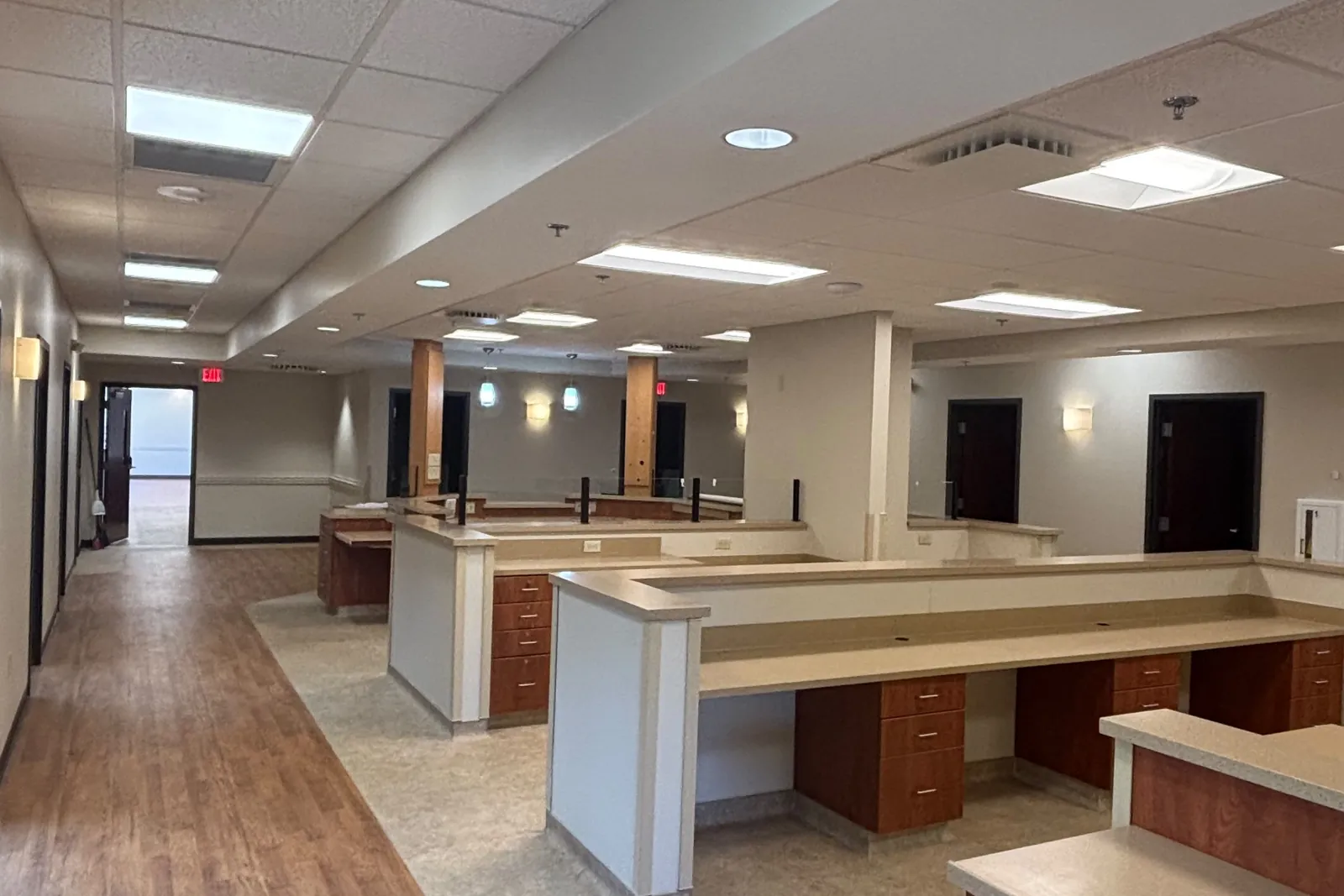
Commercial & Industrial Painting
Interior and exterior painting for warehouses, plants, schools, retail and offices, scheduled around your operation and delivered to the specification, as a subcontractor or direct.
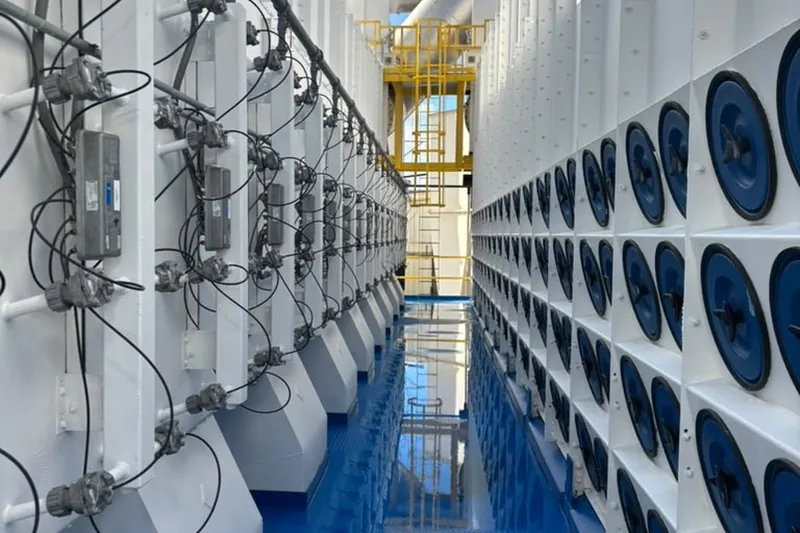
Commercial Coatings
Protective coating systems for structural steel, metal panels, masonry, concrete, tanks and overhead structure, selected for the exposure and applied over proper preparation.
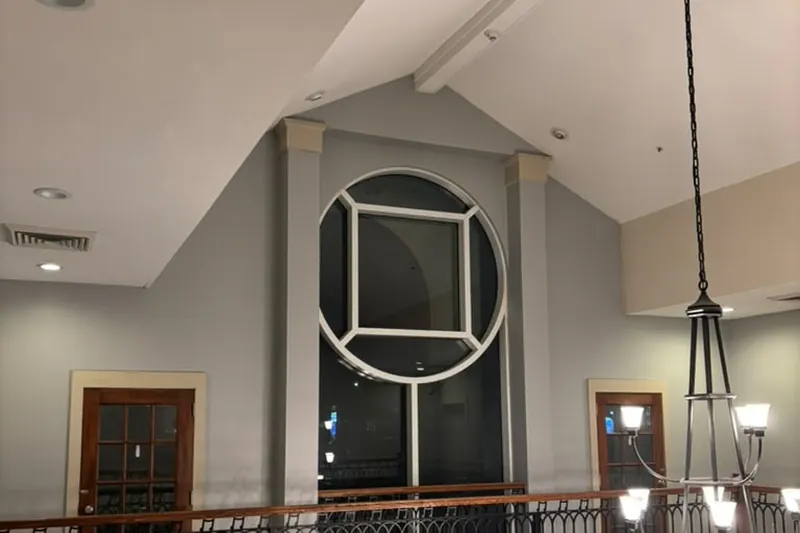
Drywall
Drywall hanging, taping, finishing and repair for commercial interiors, coordinated with our framing and painting so the general contractor deals with one sub.
Have a wall that needs more than paint?
Tell us where it is, what it has to stand up to and the look you are after. We will suggest a finish type, prepare a sample where it helps, and quote the work.